
Truth, Silence, and the Nickel
The Brass VerdictThis thread traces the novel’s repeated instruction to remain silent, from courtroom strategy to Haller’s private inheritance from his father.
increasing Bearing strength in each event
 decreasing
Bearing strength in each eventdecreasingThe Fish’s Warning

Speech Can Become Evidence
A blunt motto
A mounted fish hangs above a plaque reading that silence might have kept its owner out of trouble. Haller takes the message as a practical lesson for criminal defendants.
Counsel and control
He advises clients not to discuss their cases, even with family. The slogan introduces the tension between the truth a lawyer needs and the dangerous words clients may volunteer.
Elliot’s Private Story
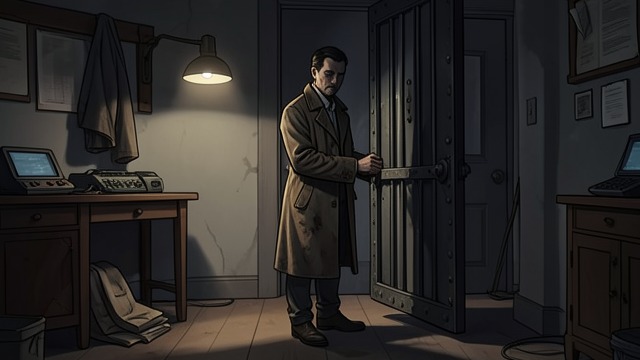
A Secret Spoken to Counsel
An admission in confidence
Elliot tells Haller about the murder and the jury bribe, believing the attorney-client bond keeps the story contained. Haller receives the truth not as public evidence but as a burden.
Silence becomes complicated
The confession concerns both completed crimes and a planned future act. Haller must consider confidentiality alongside the safety exception and his power to prevent jury tampering.
The Father’s Rhyme

In a Pickle
A childhood lesson
Haller remembers his father telling him, “In a pickle, take the nickel,” while his mother sought a confession about a broken ornament. The child refused to incriminate himself.
A lawyer’s inheritance
The rhyme becomes more than a joke about silence. It links the father’s professional instincts to Haller’s own understanding of rights, loyalty, and the cost of telling the truth.
The Confession of Guilt

The Client Controls the Truth
Elliot reveals the murder
Elliot tells Haller he killed Mitzi and Johan, explaining that he wanted to create the urgency and belief that would make Haller fight relentlessly. The lawyer learns that even an apparent confession may be manipulation.
Silence is not consent
Haller does not become an accomplice merely by hearing the truth, but he must decide what his duties allow. His silence protects the client while deepening his own moral injury.
The Last Verdict
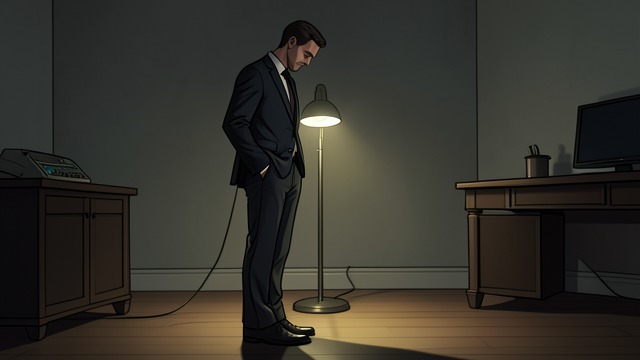
A Career Ends in Silence
A private decision
Haller tells Mary Townes Holder he is resigning and will not keep practicing. He does not seek a public explanation or another media appearance.
The nickel remains
The final exchange with Bosch and Hayley suggests that the story’s legal lessons will persist even if Haller leaves the courtroom. His choice to stop is not a verdict on every client but a response to the limits he can bear.
Haller’s first entry into Vincent’s office
At the Water Grill after the first trial day
The night after Elliot confesses
After Arslanian’s testimony
The morning after Elliot’s death
